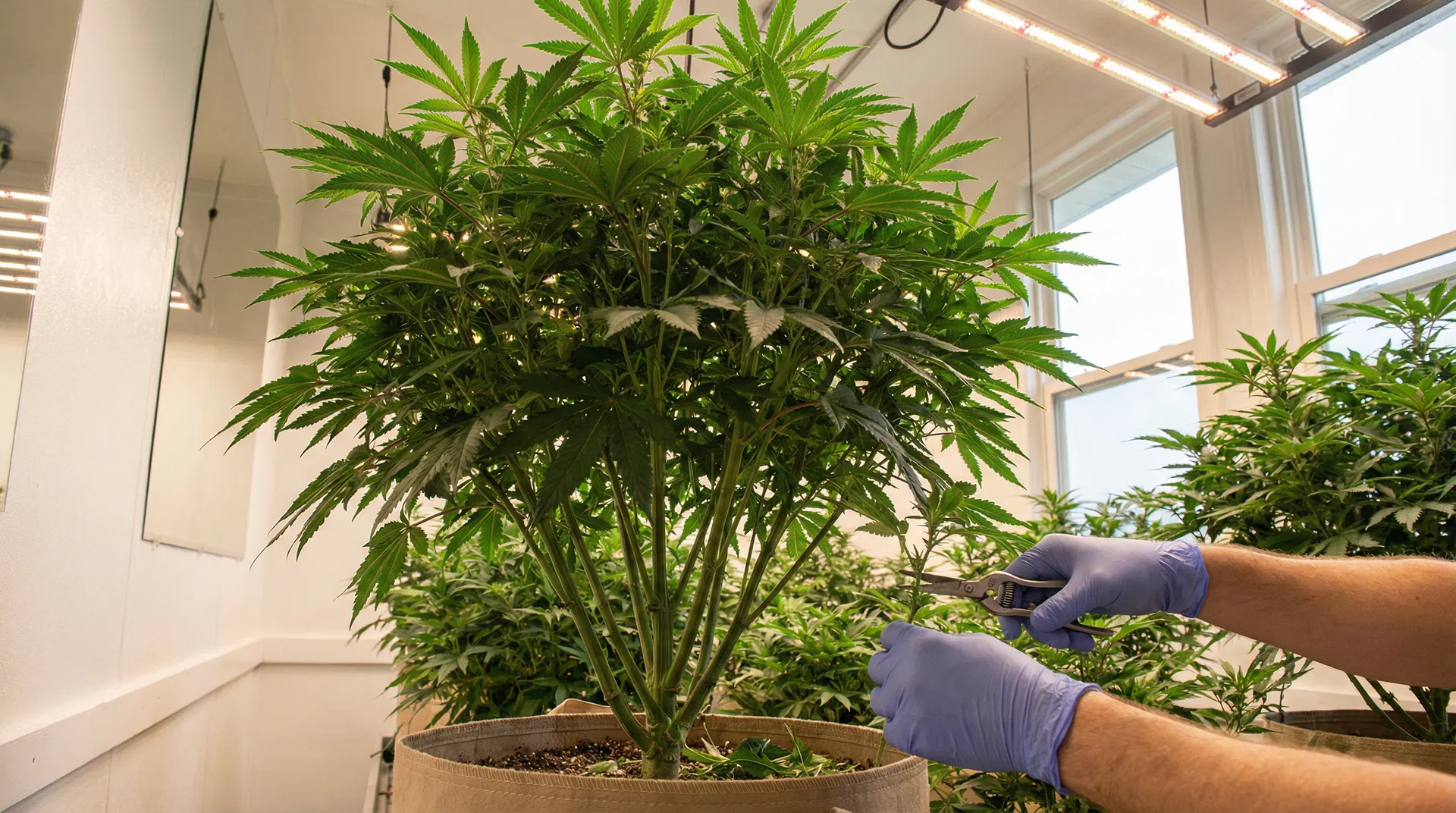
Mother Plant Maintenance: Keeping Genetics Alive for Years
Professional techniques for maintaining healthy mother plants in perpetual vegetative state, preserving valuable genetics indefinitely without degradation.
The Role of Mother Plants
Mother plants serve as genetic repositories in cannabis cultivation, providing unlimited cuttings of proven phenotypes. Proper maintenance ensures these valuable genetics remain viable and productive for years or even decades.
Challenges of Long-Term Vegetative Growth
Cannabis plants naturally want to flower and complete their lifecycle. Keeping mothers in perpetual vegetative state creates unique challenges:
- Nutrient imbalances from extended growth periods
- Root binding and substrate depletion
- Stress accumulation from continuous cutting
- Pest and disease pressure over time
- Genetic drift and epigenetic changes
Optimal Environmental Conditions
Lighting
Maintain 18/6 or 24/0 light cycles with moderate intensity (200-400 PPFD). Excessive light wastes energy and can stress mothers unnecessarily.
Temperature and Humidity
Keep temperatures slightly cool (20-24°C) to slow growth and reduce stress. Moderate humidity (50-60% RH) prevents both mold and excessive transpiration.
Air Circulation
Gentle, consistent airflow prevents pest establishment and strengthens stems without causing wind stress.
Nutritional Management
Mother plants require specialized nutrition:
- Lower EC: Feed at 1.0-1.4 EC to prevent salt accumulation
- Balanced NPK: Use vegetative formulas with moderate nitrogen
- Micronutrient supplementation: Regular additions prevent deficiencies
- Periodic flushing: Monthly flushes remove accumulated salts
Root Zone Management
Healthy roots are essential for long-term mother plant success:
- Transplant every 6-12 months to prevent root binding
- Use well-draining media to prevent anaerobic conditions
- Apply beneficial microorganisms to maintain root health
- Monitor for root diseases and treat immediately
Pruning and Training
Strategic pruning maintains productive mother plants:
- Remove lower growth to focus energy on cutting production
- Top regularly to promote lateral branching
- Take cuttings systematically to maintain plant structure
- Remove any flowering sites immediately
Stress Prevention
Minimizing stress preserves genetic integrity:
- Avoid excessive cutting—never remove more than 30% of growth at once
- Maintain consistent environmental conditions
- Prevent pest and disease establishment through monitoring
- Use Mother Plant Extension formulas to support long-term health
When to Retire Mother Plants
Even with perfect care, mothers eventually decline. Signs it's time to replace:
- Reduced cutting success rates
- Slower growth and recovery
- Persistent pest or disease issues
- Changes in cutting characteristics (slower rooting, different growth patterns)
Conclusion
Maintaining healthy mother plants requires dedication and specialized care, but the reward is unlimited access to proven genetics. Mary J Apothecary's Mother Plant Extension formulas are specifically designed to address the unique nutritional and physiological needs of long-term vegetative plants, helping cultivators preserve their most valuable genetics for years to come.